

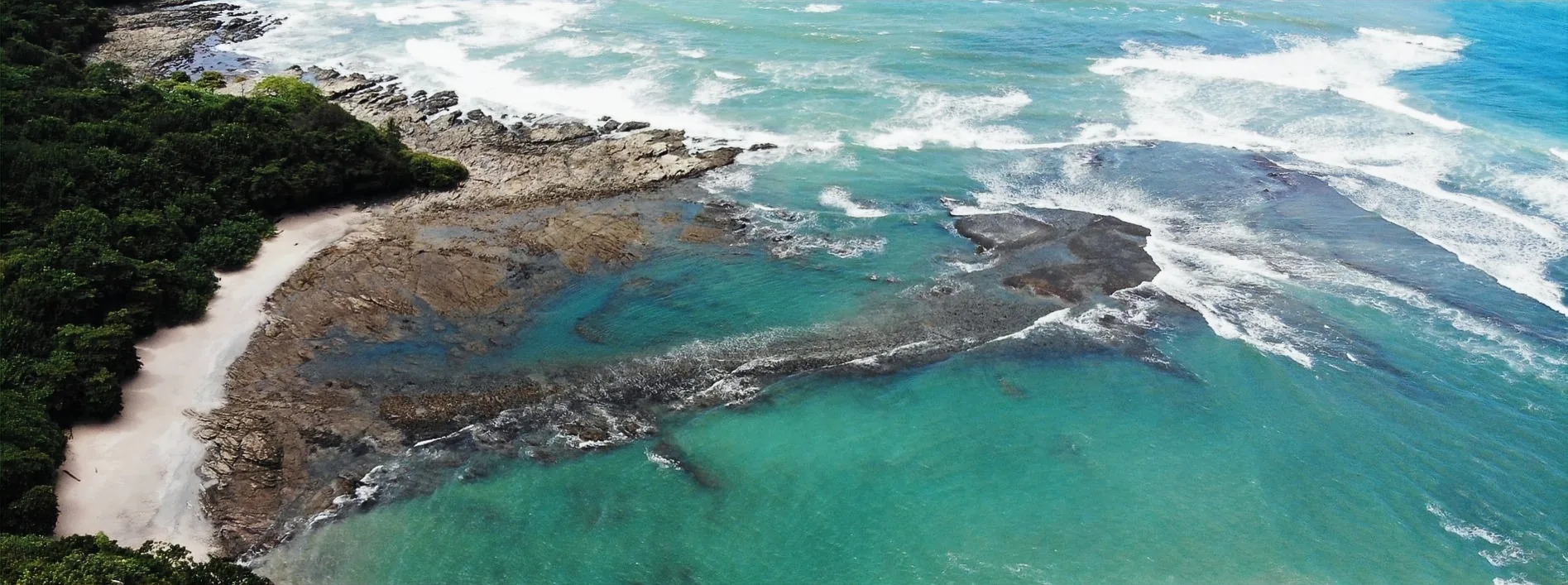
The town
A short, honest guide to Santa Teresa
Written by people who live here, for guests who would rather not read a tour guide.
The journey is part of it
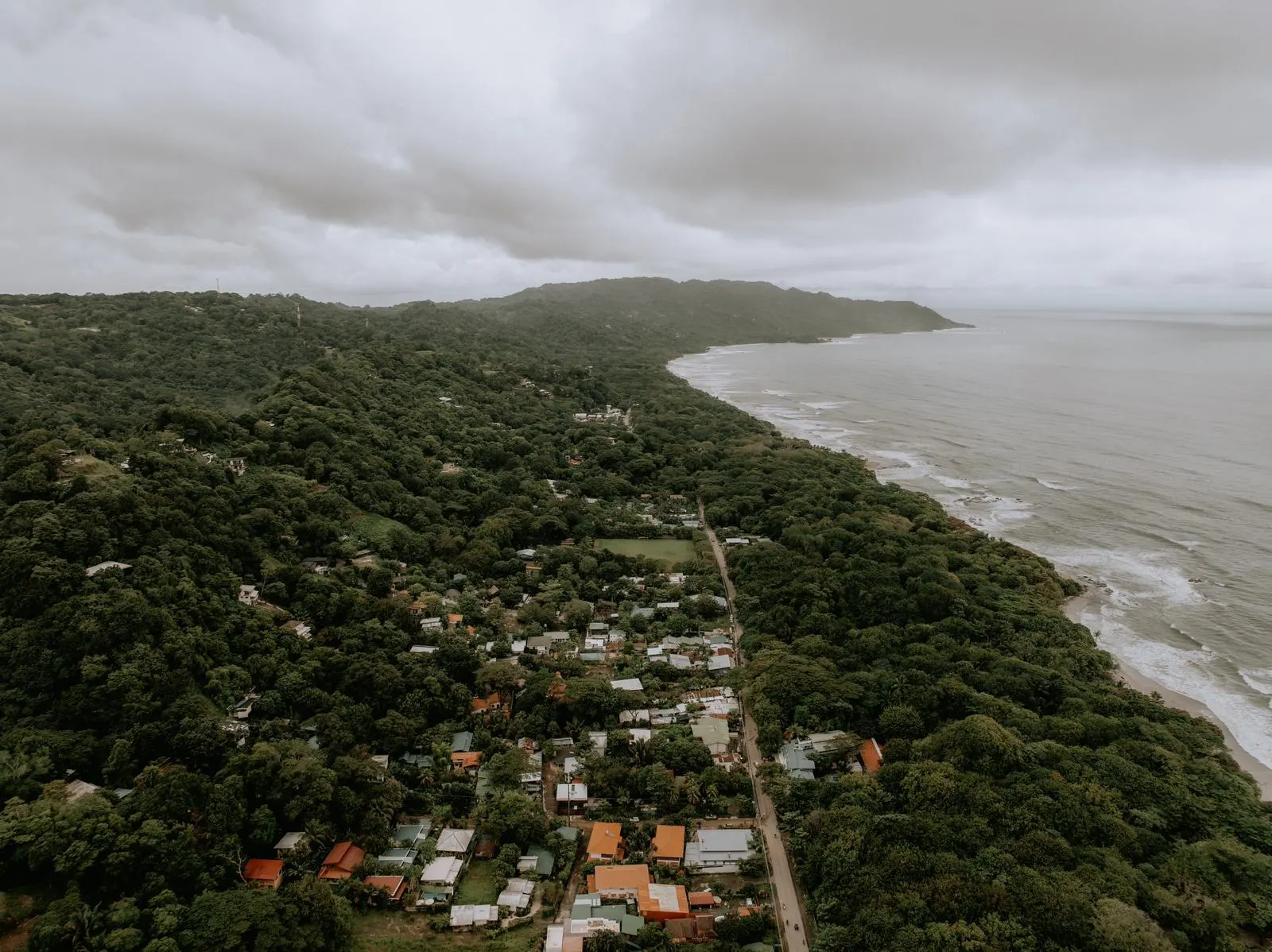
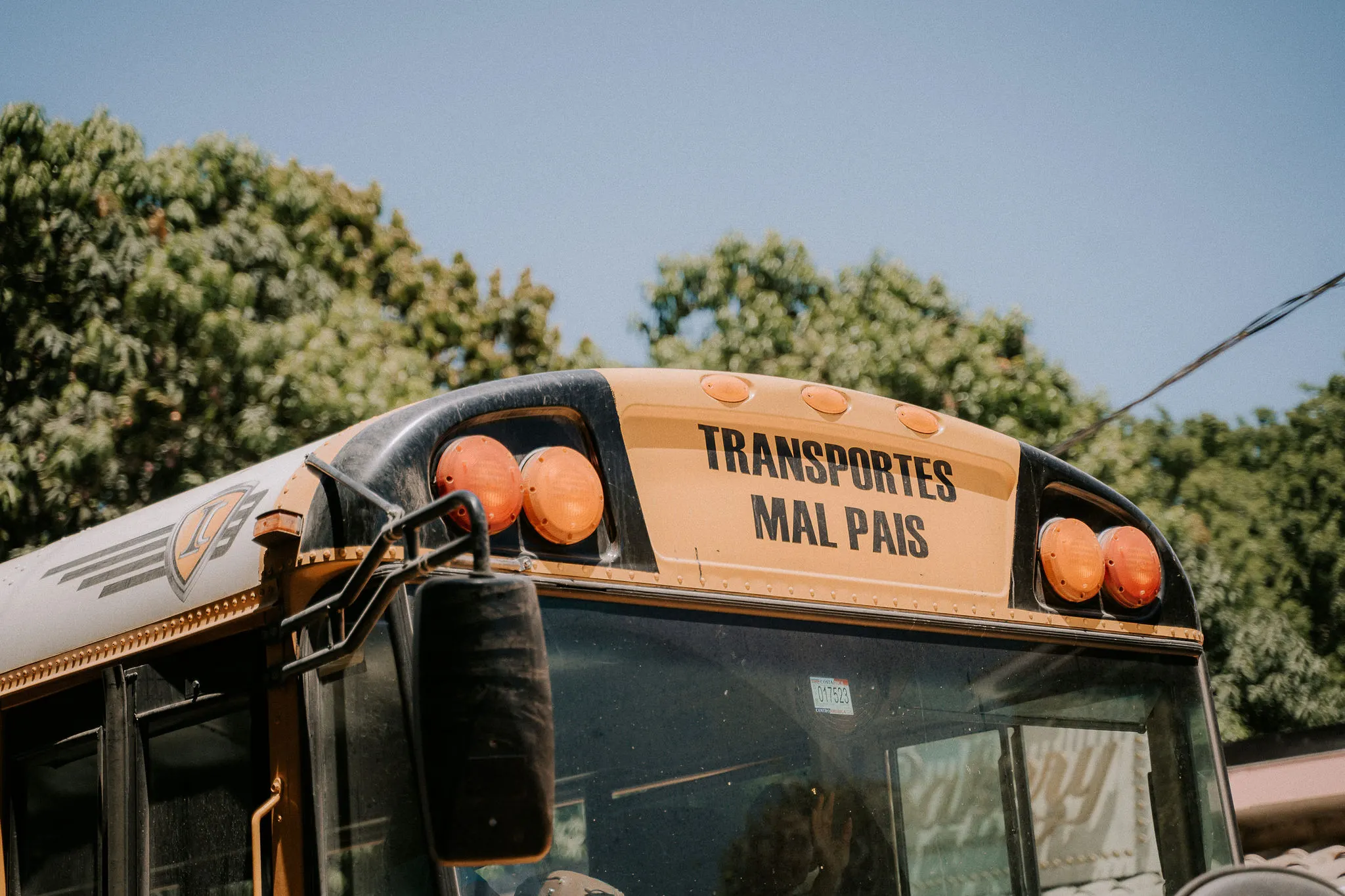
Santa Teresa sits at the tip of the Nicoya Peninsula. There is no way in that does not involve a boat, a small plane or a few hours on the road, and that is precisely why it still feels the way it does.
- Shuttle from San José: around 5 to 6 hours, including the ferry. The simplest option.
- Domestic flight to Cóbano: 30 minutes from San José, then a 25-minute drive.
- Ferry from Puntarenas to Paquera: about 70 minutes, then an hour and a half by road.
- Driving: a 4x4 is worth it in the green season. Tell us and we will point you to a rental.
Consistent, year round
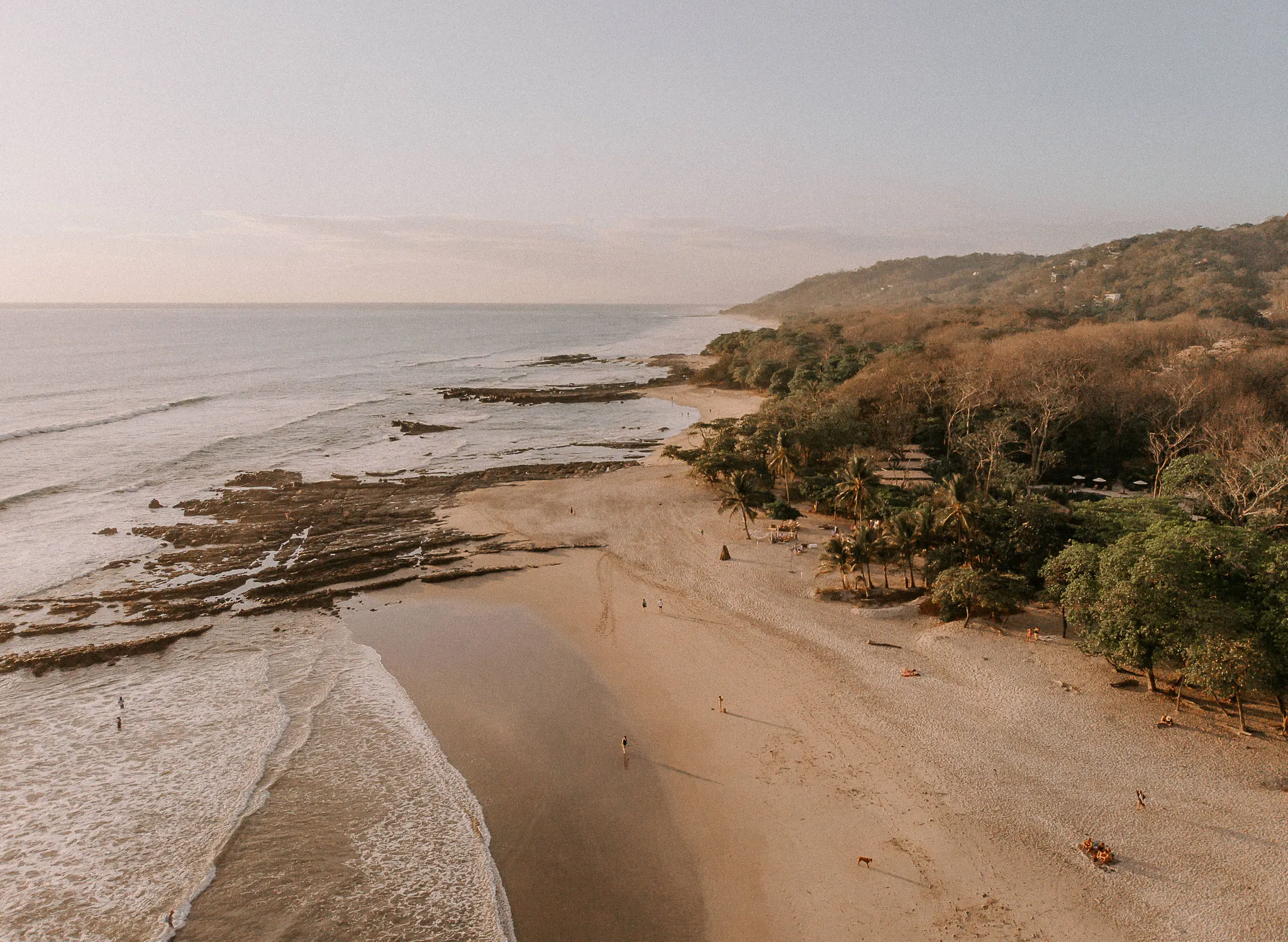
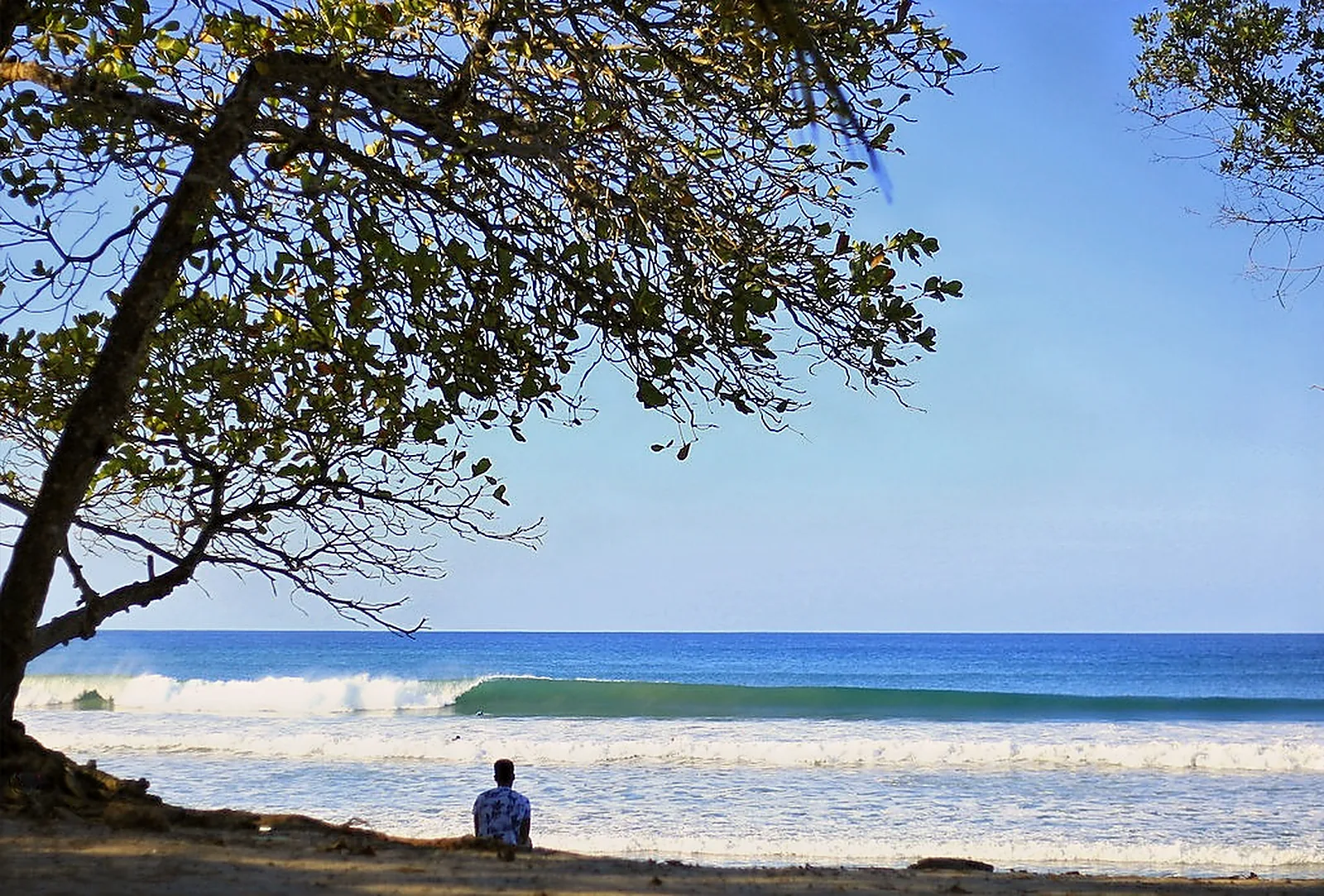
Santa Teresa breaks almost every day of the year. The main beach is a long stretch of beach break with plenty of room to spread out, and there is something for every level within a short walk or drive.
- Playa Carmen, the gentlest of the local breaks, best for learning.
- Santa Teresa, a punchier beach break that works on most tides.
- Playa Hermosa, a longer and more forgiving wave, 10 minutes north.
- Boards can be rented right here at Magic Place. If we do not have the one you need, there are surf shops almost next door with a huge selection.
Far better than a town this size deserves
Santa Teresa has an unreasonable number of good restaurants for a town on a dirt road. Everything from sodas serving casado to Italian, Japanese and open-fire cooking, and most of it within walking distance of Magic Place.
- Sodas for a proper casado at lunch, cheap and excellent.
- Bakeries and coffee that would hold up in any capital city.
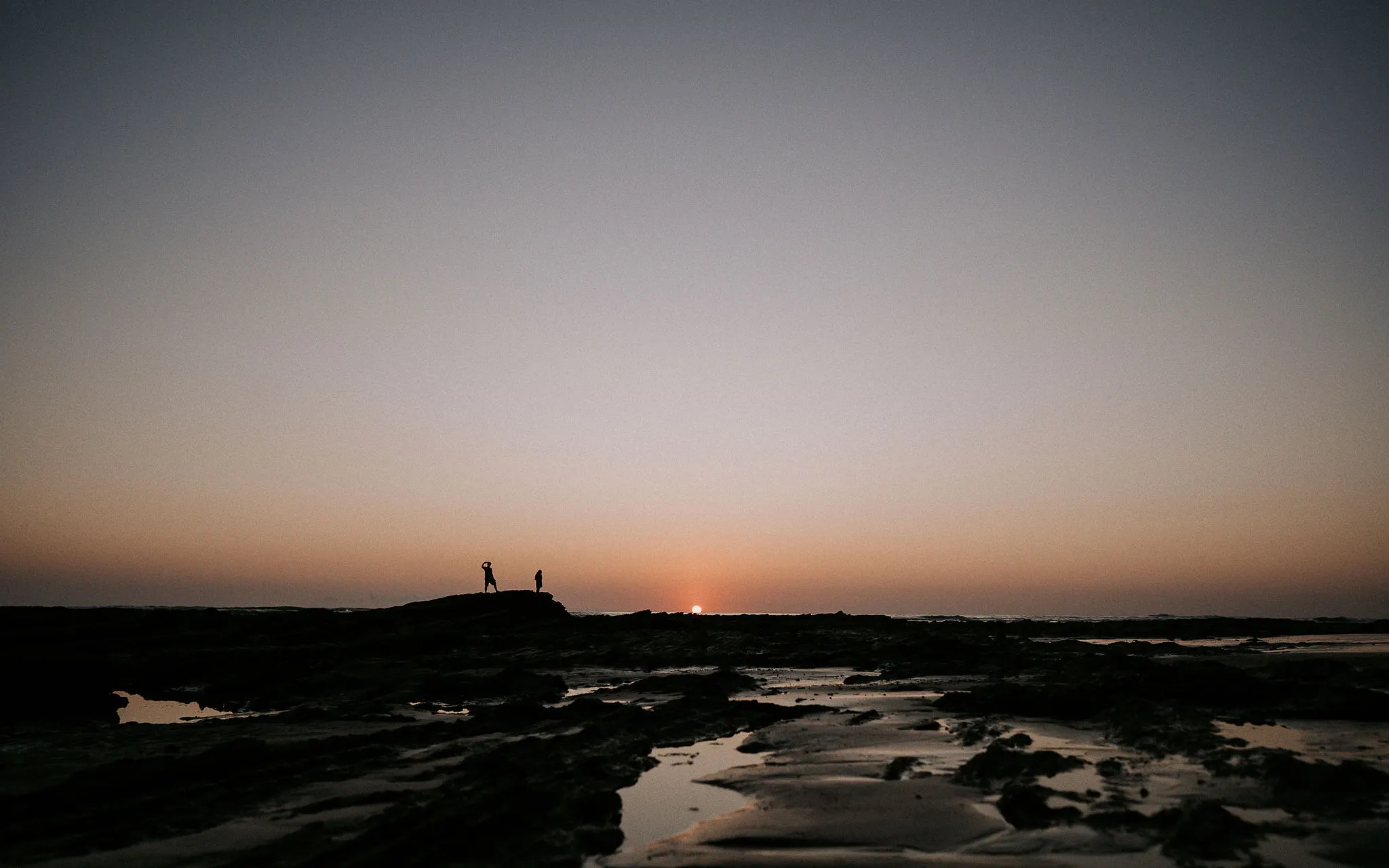
- Beachfront places for sunset. Book ahead in high season.
- A supermarket and organic market for cooking at home.
There is no bad season, only different onesWhen to come
When you want to leave the beach
The peninsula rewards a bit of exploring. All of these are an easy half-day from the property, and we can arrange transport or a guide for any of them.
- Montezuma waterfalls, three tiers, about an hour away.
- Cabo Blanco Absolute Nature Reserve, the oldest protected area in Costa Rica.
- Tortuga Island, snorkelling and white sand, reached by boat.
- Sunset sailing along the coast, leaving from Playa Carmen.
The things nobody tells you
A few honest notes that will make the first few days easier.
- The main road is unpaved. It is dusty in dry season and muddy in green season, so bring shoes you do not mind ruining.
- Most people get around by quad, scooter, bike or on foot. You do not need a car to stay with us, and we rent bikes on site.
- Colones and dollars are both accepted. Cards work almost everywhere, but carry some cash for sodas and the market.
- The sun is strong and the rip currents are real. Reef-safe sunscreen, and ask a local before you swim out.
There is no bad season, only different ones
December to April is our dry season: sunny all day, crystal clear water, and busy, so book well ahead. May to November is the green season, with warm rain in the afternoons, everything lush, far fewer people and noticeably better rates. Many of our long-stay guests deliberately choose the green months.